dubai, united arab emirates

RTA | Water Taxi Stations

client

RTA

Date

May 2020

Services

Concept Design

Architectural Design

Interior Design

dubai, united arab emirates

RTA | Water Taxi Stations

client

RTA

Date

May 2020

Services

Concept Design

Architectural Design

Interior Design

dubai, united arab emirates

RTA | Water Taxi Stations

Client

RTA

Date

May 2020

Services

Concept Design

Architectural Design

Interior Design

The Brief

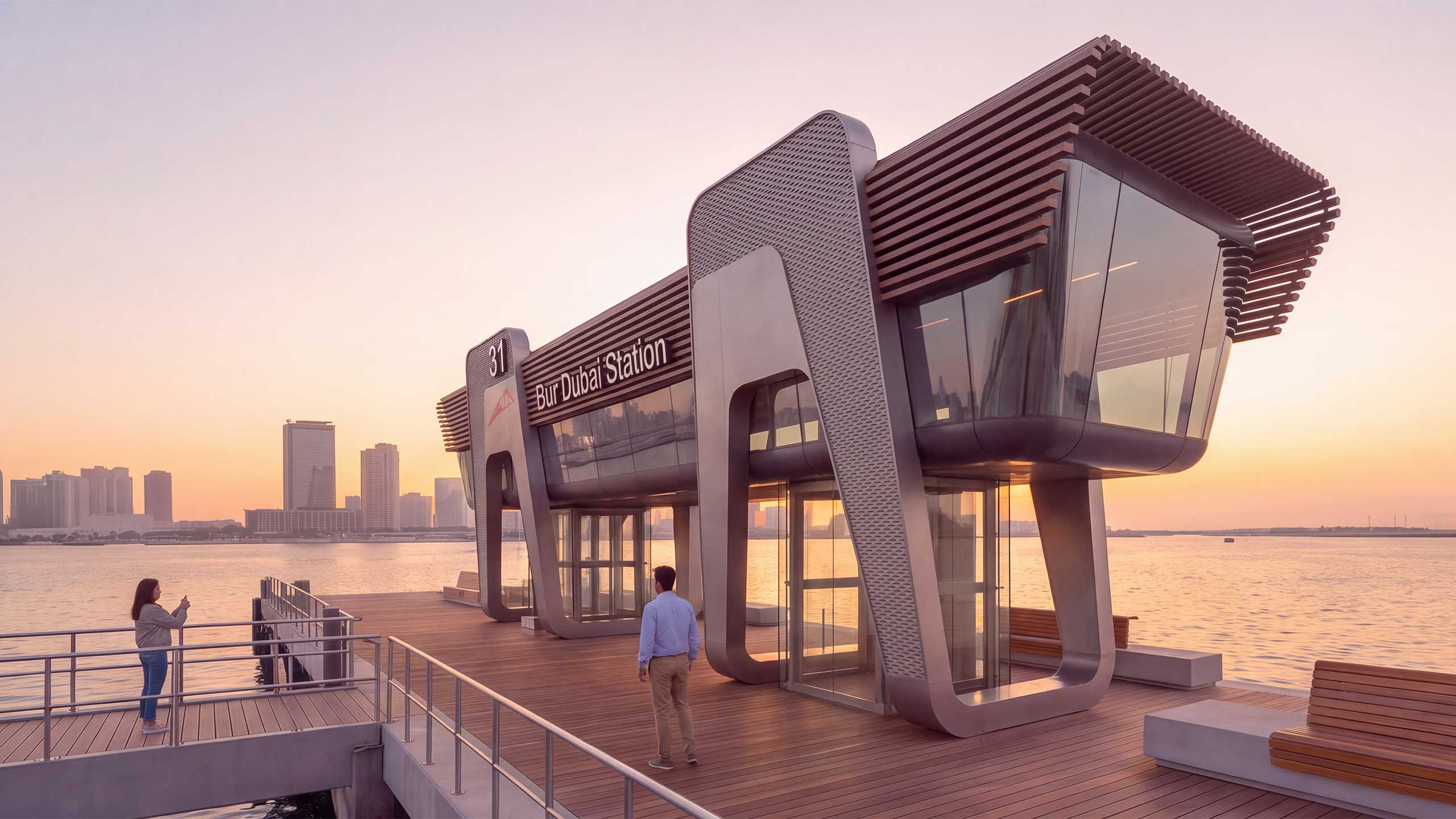
In 2020 the Roads and Transport Authority approached Ten Eight to design a new breed of water taxi station for Dubai's marine transport network. The existing stations were functional points of embarkation and little more. What RTA wanted was something closer to a destination — a station recognisable on sight, with real presence on the waterfront, and a piece of architecture strong enough to be repeated along the route as the network expanded. Bur Dubai was selected as one of the first to be built. It is among the busiest points on the network, where tourists and residents arrive and depart throughout the day, and where the station is read not only from the water but from the historic quarter behind it. Whatever was designed there would set the template for the stations that followed. The brief carried one practical demand that shaped every decision: the station sits on open water, fully exposed, and has to stay comfortable and durable through a Dubai summer.

The Approach

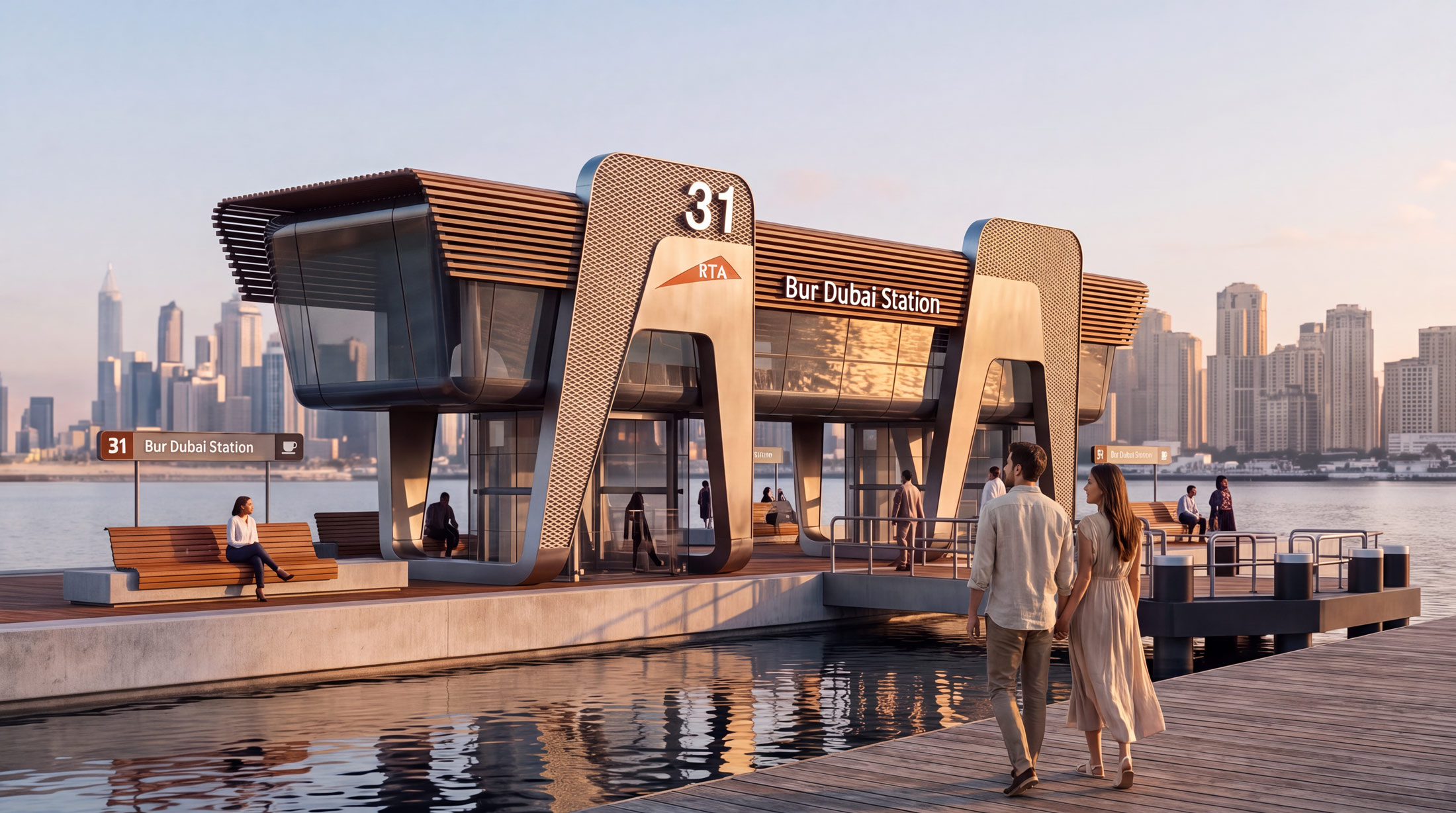
We built the concept from two references — one traditional, one industrial. The first is the dhow, the timber trading boat that has worked this coast for centuries and still gives the Creek its character. Its hull geometry, the rhythm of its ribs, and its timber language are carried into the form and the material palette of the station. The second is the harbour crane, abstracted rather than quoted. Two A-frame structures rise from the deck and carry the building, giving the station the engineered posture of working waterfront infrastructure and lifting the primary volume clear of the water. Bringing the two together produced the governing idea of the project: elevation. Rather than holding passengers at deck level, the station lifts them. A glazed volume cantilevers out over the water, glazed on every side to give a full 360 degree panorama — across the Creek, back toward the city skyline, and along the route itself.

RTA water station
RTA water station

The Approach

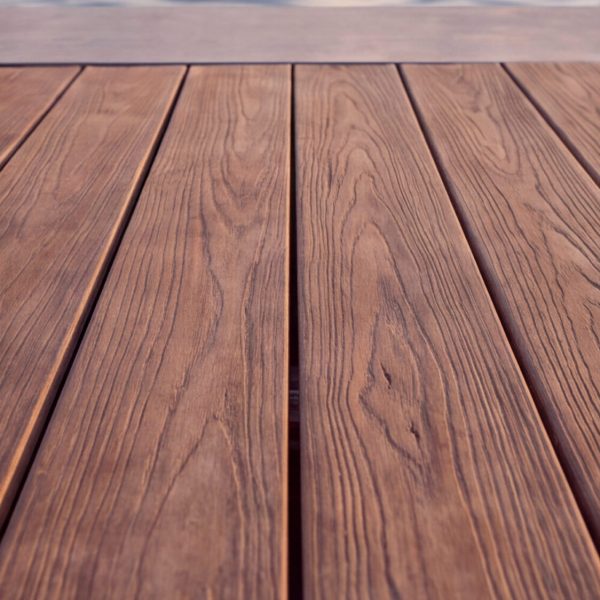
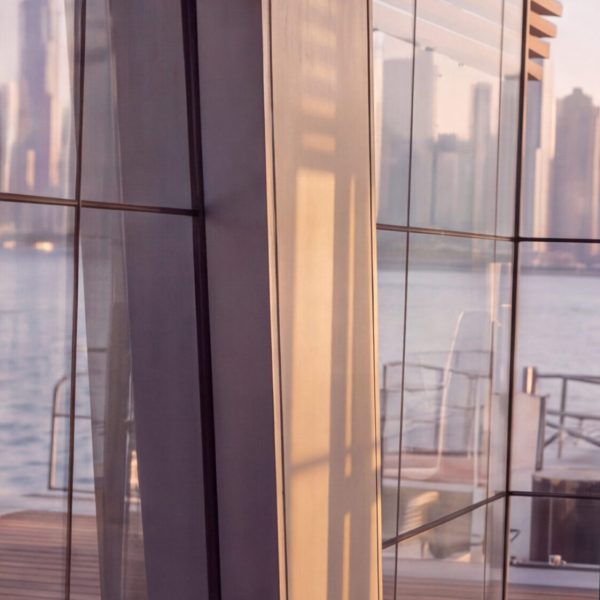
A passenger waiting for a taxi is given the finest outlook on the waterfront while they wait. A visitor with no intention of travelling is given a reason to come at all. Access to the upper level is by elevator built into each of the two A-frames, so the panorama is open to everyone who arrives. The material palette answers the climate directly. Curved glass, metal and concrete form the structure and the envelope. Wood composite is used where the building is seen and touched most closely — deck, canopy fins, soffits — carrying the warmth and grain of the dhow reference while standing up to sun, humidity and salt air in a way natural timber would not. A deep slatted canopy extends over the deck and the waiting areas, casting shade across circulation and softening the light inside the glazed volume through the hottest part of the day. A perforated metal screen wraps the upper structure, filtering low sun and carrying station identity, numbering and wayfinding.

The Outcome

The concept was developed and presented as a complete architectural proposal for the Bur Dubai station, and as a repeatable model for the wider network. The project was subsequently halted and remains on hold. It stays in our portfolio deliberately. It is the clearest demonstration of how Ten Eight works at the scale of public infrastructure — taking a piece of transport equipment and arguing that it can carry cultural meaning, civic presence and genuine public generosity without giving up any of its function. The design is resolved, the thinking holds, and the concept remains ready should RTA return to it.

"A transport stop reimagined as a destination — the dhow and the harbour crane, brought together and lifted above the water."